Bonding and the Artificial Womb: Creating an experience through meaningful interactions
Project
Master Project together with Rick Buijs, Kyara Fasen, Nick Ruijs
Sep 2019 - Feb 2020Skills
Approaches
Tools
Topics
Mentioned In
About
Preliminary birth is the number one cause of death for infants, yearly resulting in 15 million deaths worldwide. Even if a premature baby survives, they’ll have to live the rest of their lives with the consequences of an early birth. In this early stage, the body of the child is not yet ready for life outside of the womb. For example light is still damaging for the underdeveloped eyes, and oxygen is still toxic for the underdeveloped lungs. The artificial womb can solve these problems, but new questions emerge as a result; What will be the role of the parents in this new situation with a child in the artificial womb?
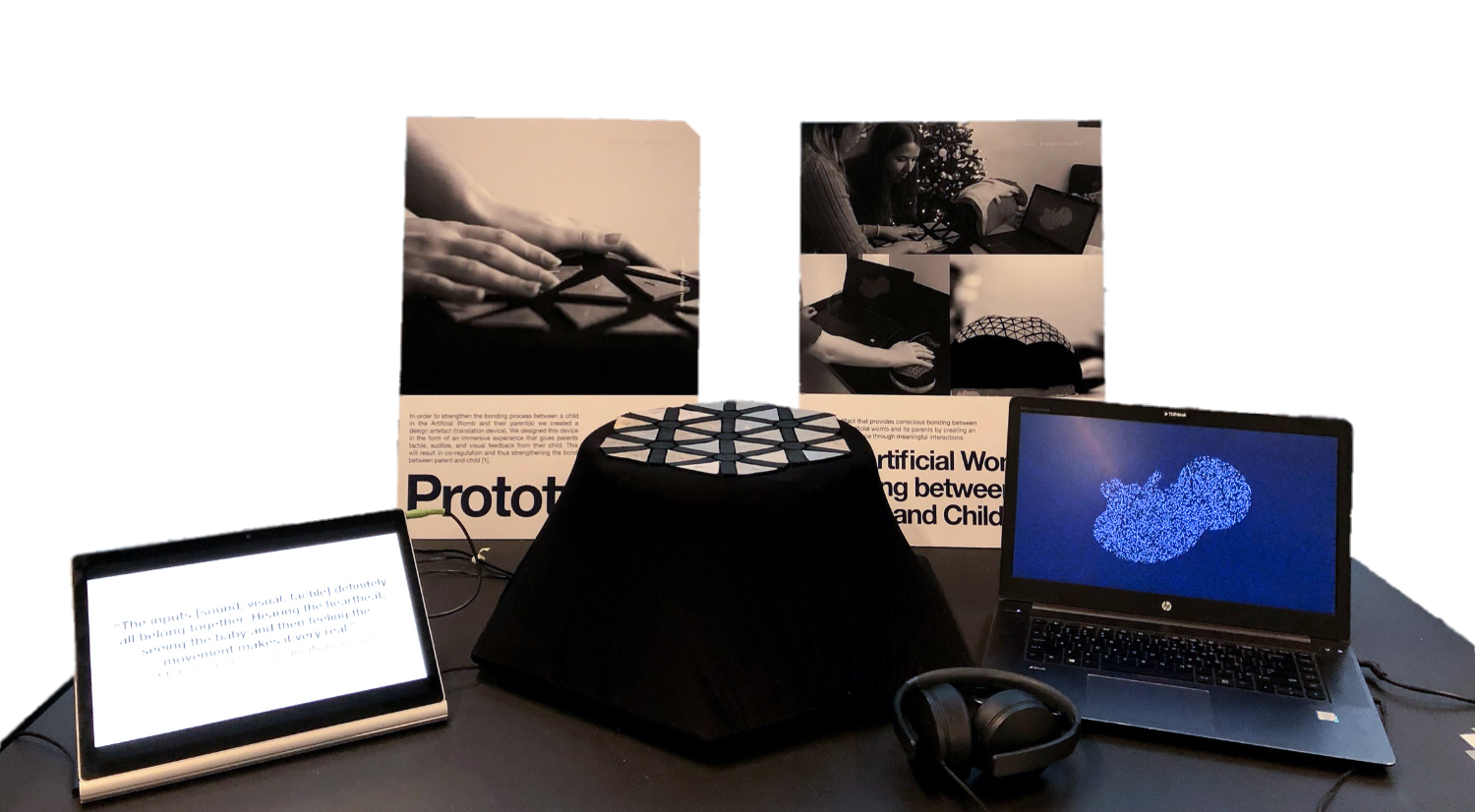
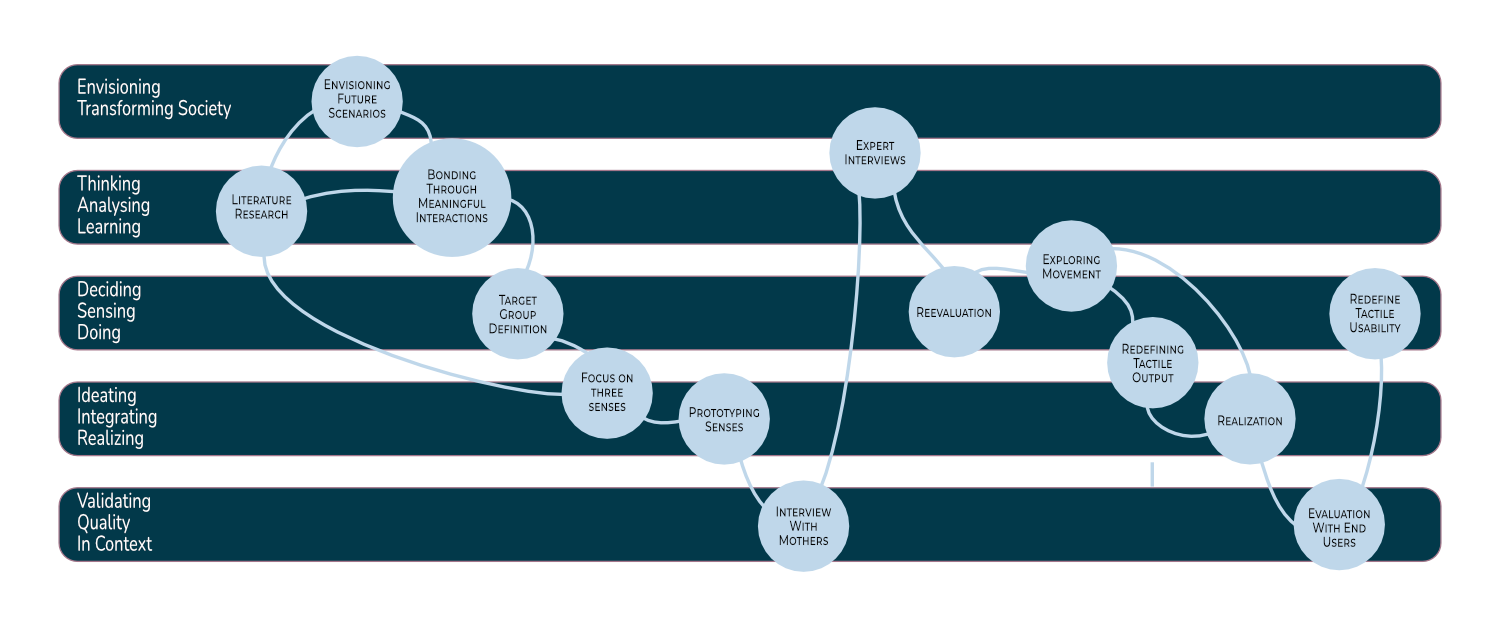
We designed an immersive experience that gives parents tactile, audible, and visual feedback from their child. This will result in co-regulation and thus strengthening the bond between parent and child. We designed this immersive experience that can be used in the home as well as in the hospital setting. Used methods in this process include: Focus groups sessions, interviews, and user tests. Read along to gain a deeper understanding about this process, co-regulation, bonding, fetal development, movement simulation and partner-hood. Resulting in the final design, the immersive experience.
The most important aspect of the technology in the artificial womb is the **Biobag**. This Biobag has already been tested on lambs. It is a closed environment that mimics the uterine environment in order to sustain preterm fetuses for up to four weeks.
The new artificial womb technology could save the lives of preterm babies by supporting their fetal organs as they continue to develop until they reach maturity, much like it does for the lambs. However, this new technology could also have negative side effects. During the development of preterm babies, behavioral problems could emerge later in life. These potential issues are thought to result from disrupted parent–infant bonding—in other words, the bonding process.
In this scenario, the parents and the child would be separated for a certain period before the baby is transferred to an incubator in the Neonatal Intensive Care Unit (NICU). Although this period in the artificial womb may seem short from an outside perspective, it could lead to underestimating the importance of early interactions between parents and their baby.
The newborn exists in an in-between stage—both born and unborn at the same time. This unique context creates many challenges across various disciplines and requires new expertise and professions to support this journey.
Within this context, the design profession faces a unique challenge for all stakeholders, with one question standing out above all others:
How can parents bond with a child while it is in the artificial womb?
Throughout the process, this question served as the starting point for the design challenge, which was ultimately formalized as follows:
Design an artifact that provides conscious bonding between baby in the AW and parents by creating an experience through meaningful interactions.
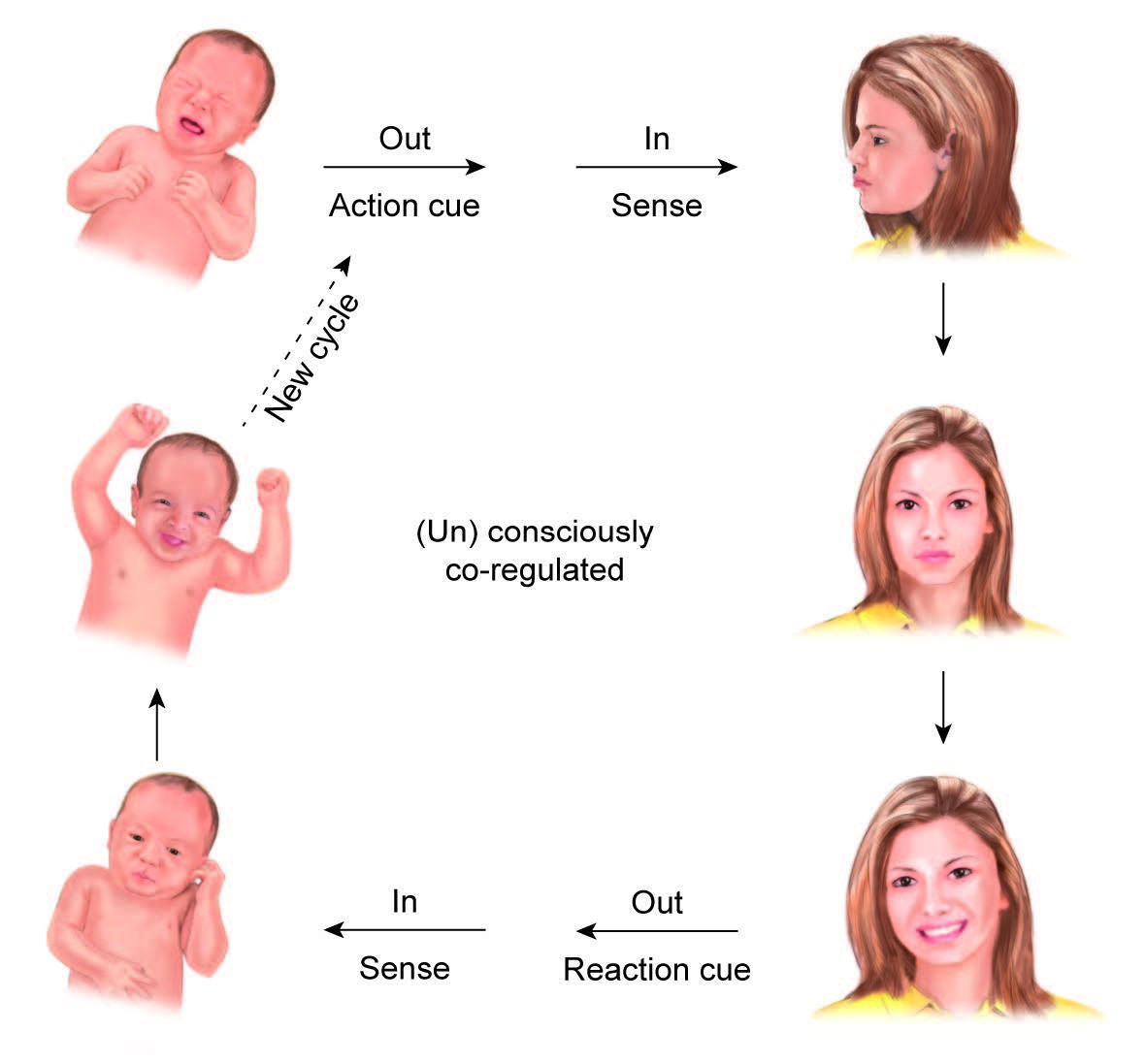
What is Bonding
Bonding is the process of co-regulation. Either consciously or unconsciously (mainly the latter), individuals help one another regulate. Since regulation is synonymous with homeostasis—the maintenance of a stable internal environment through physiological processes—bonding, in this thesis, is defined as helping another individual maintain homeostasis.
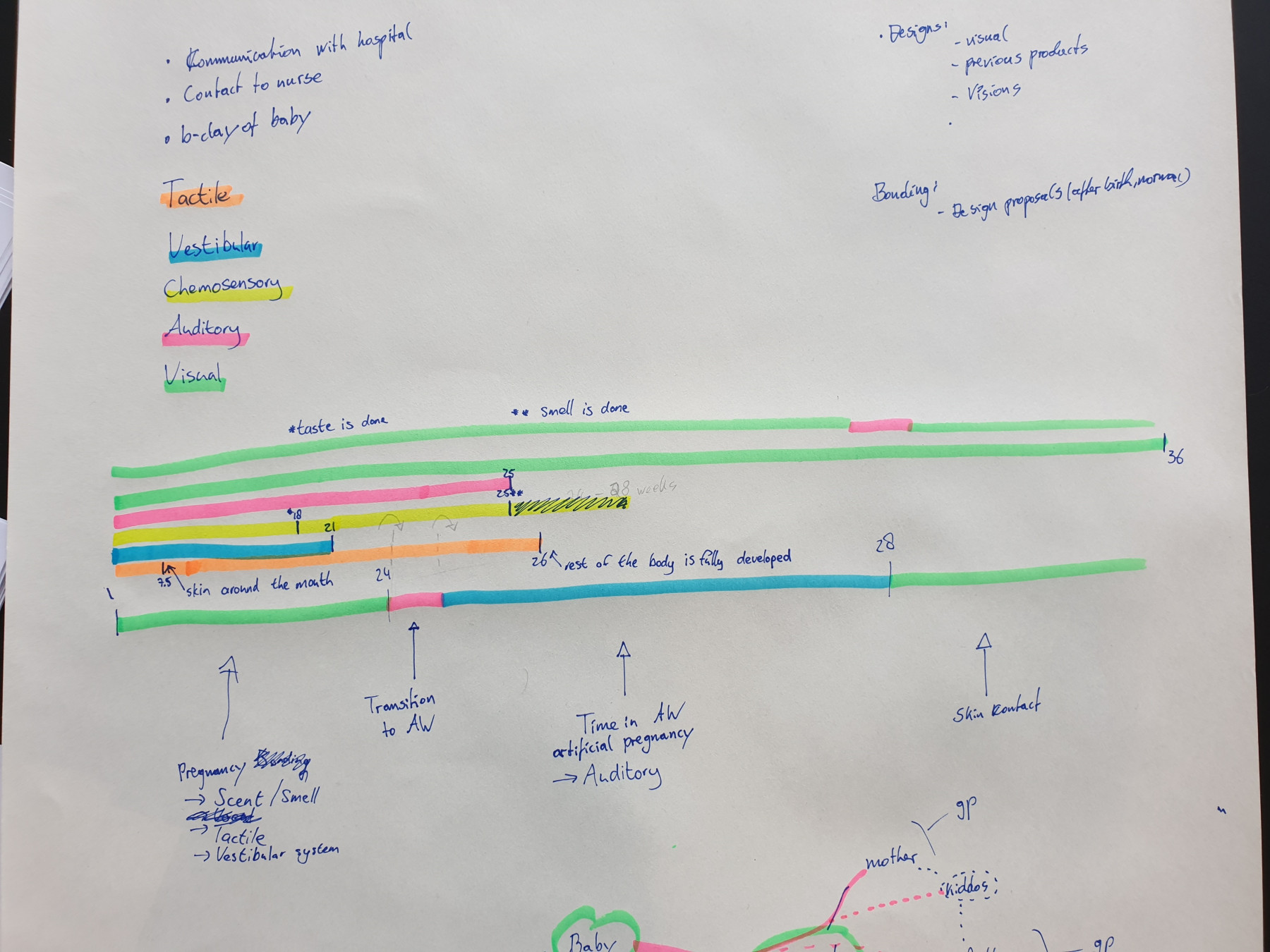
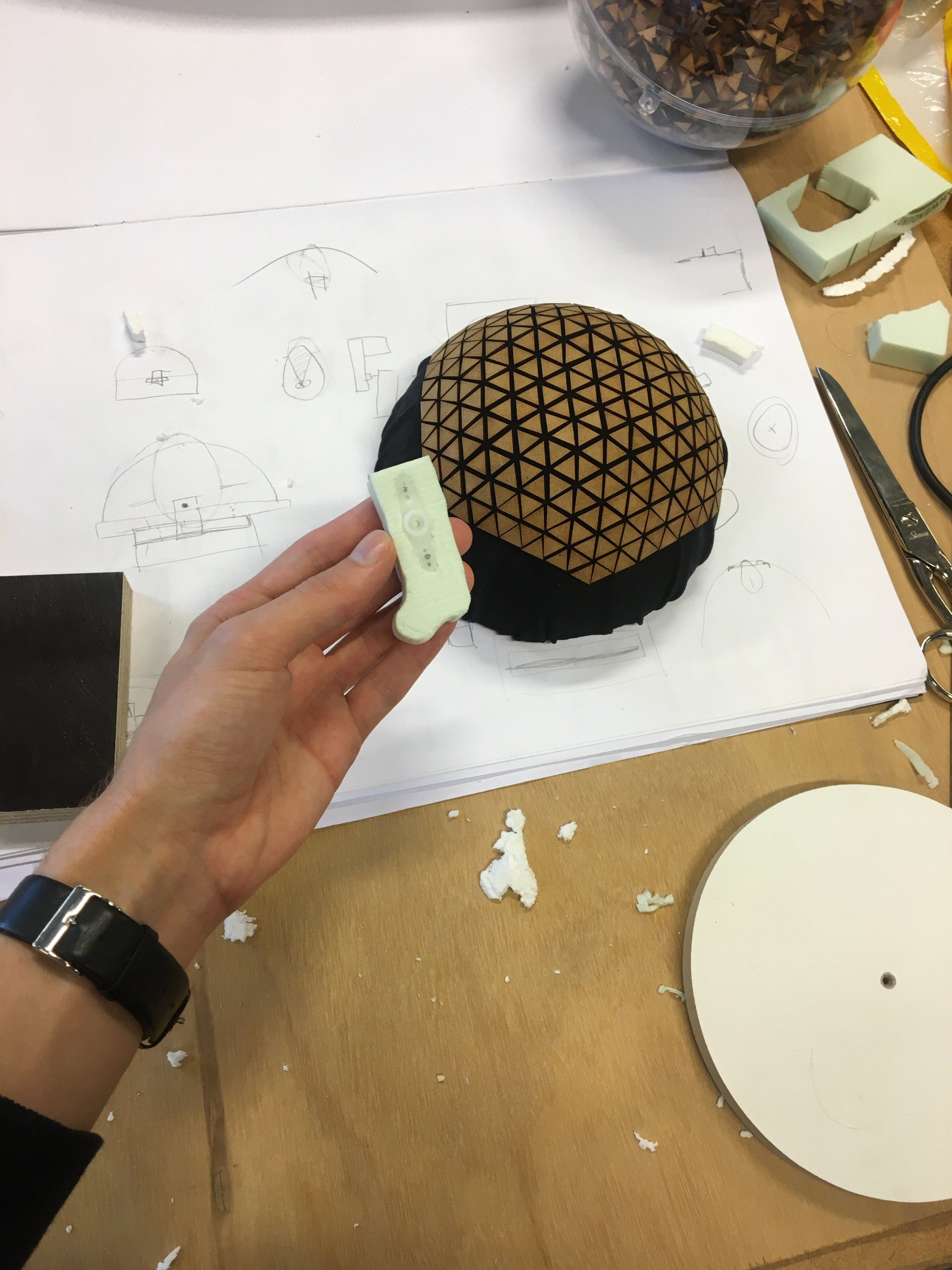
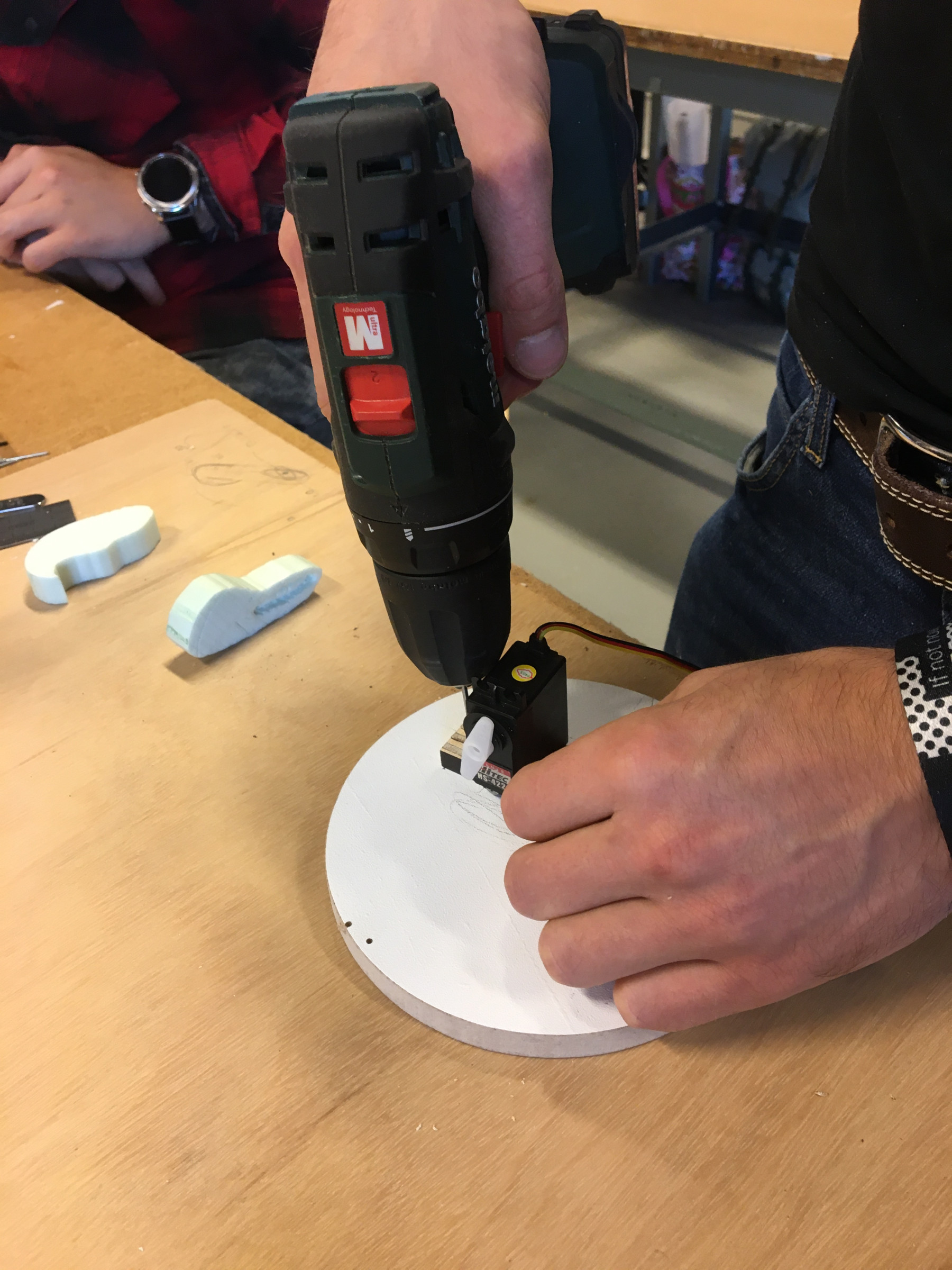
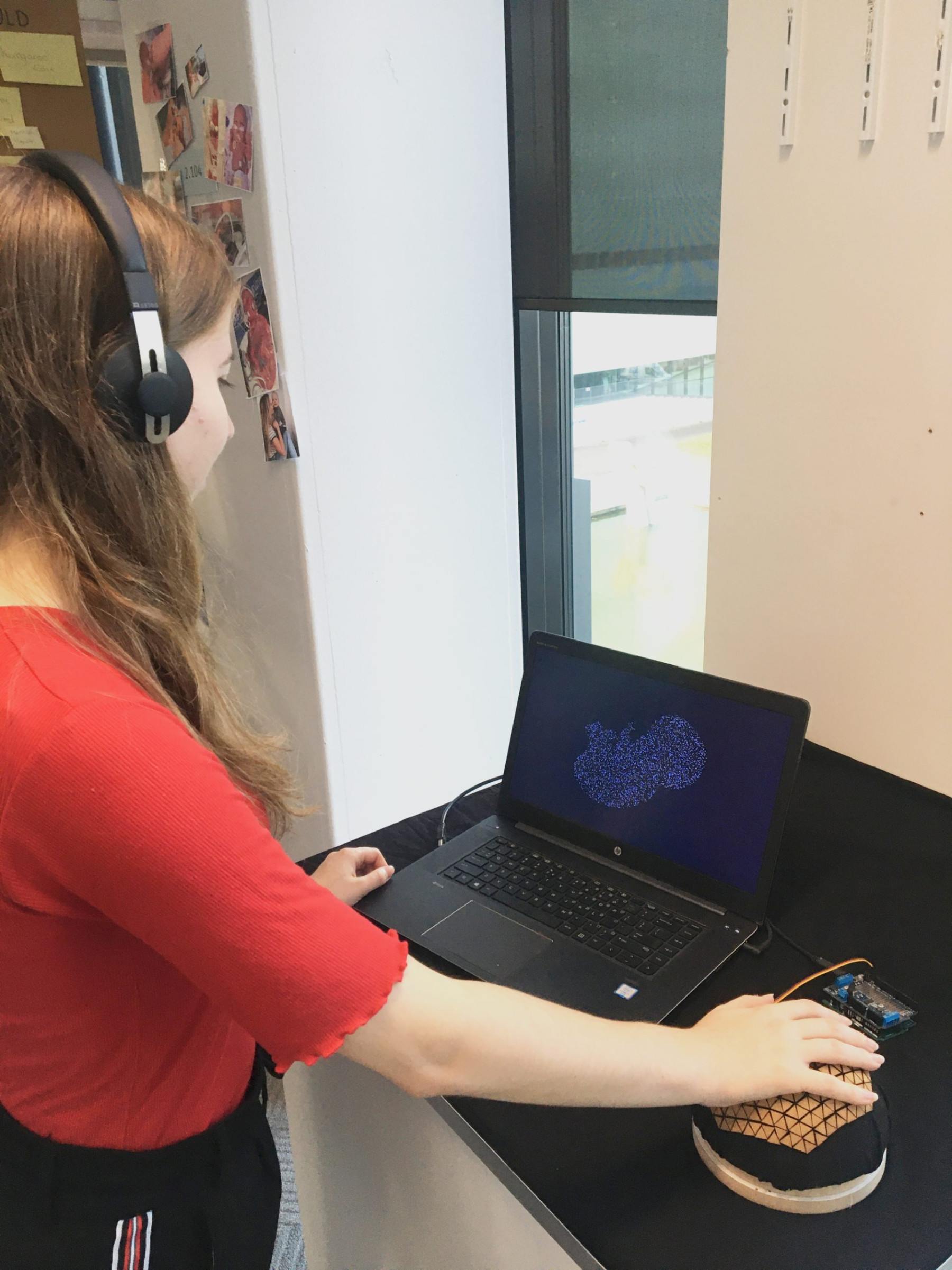
After the initial ideation and conceptualization, we created several experiential prototypes to physicalize our vision. To provide the full experience of interacting with a child in an artificial womb, we developed three prototypes that engaged three different senses: sight, hearing, and touch.
Since a baby's eyes are not yet fully developed at 24–28 weeks of gestation, the artificial womb cannot be transparent. Exposure to light could damage the baby's developing eyes, making direct visual contact impossible. Instead, parents would only be able to see their child through ultrasound or infrared imaging. To address this limitation, we created an abstract, live visualization of the child, giving parents an impression of what it would feel like to have a child in an artificial womb.
Having a child in an artificial womb can feel as though the baby has been taken away, creating a sense of distance between parent and child. To help restore a feeling of closeness, we used wireless headphones playing sounds recorded inside an actual womb, allowing parents to hear both the flowing amniotic fluids and their child's heartbeat.
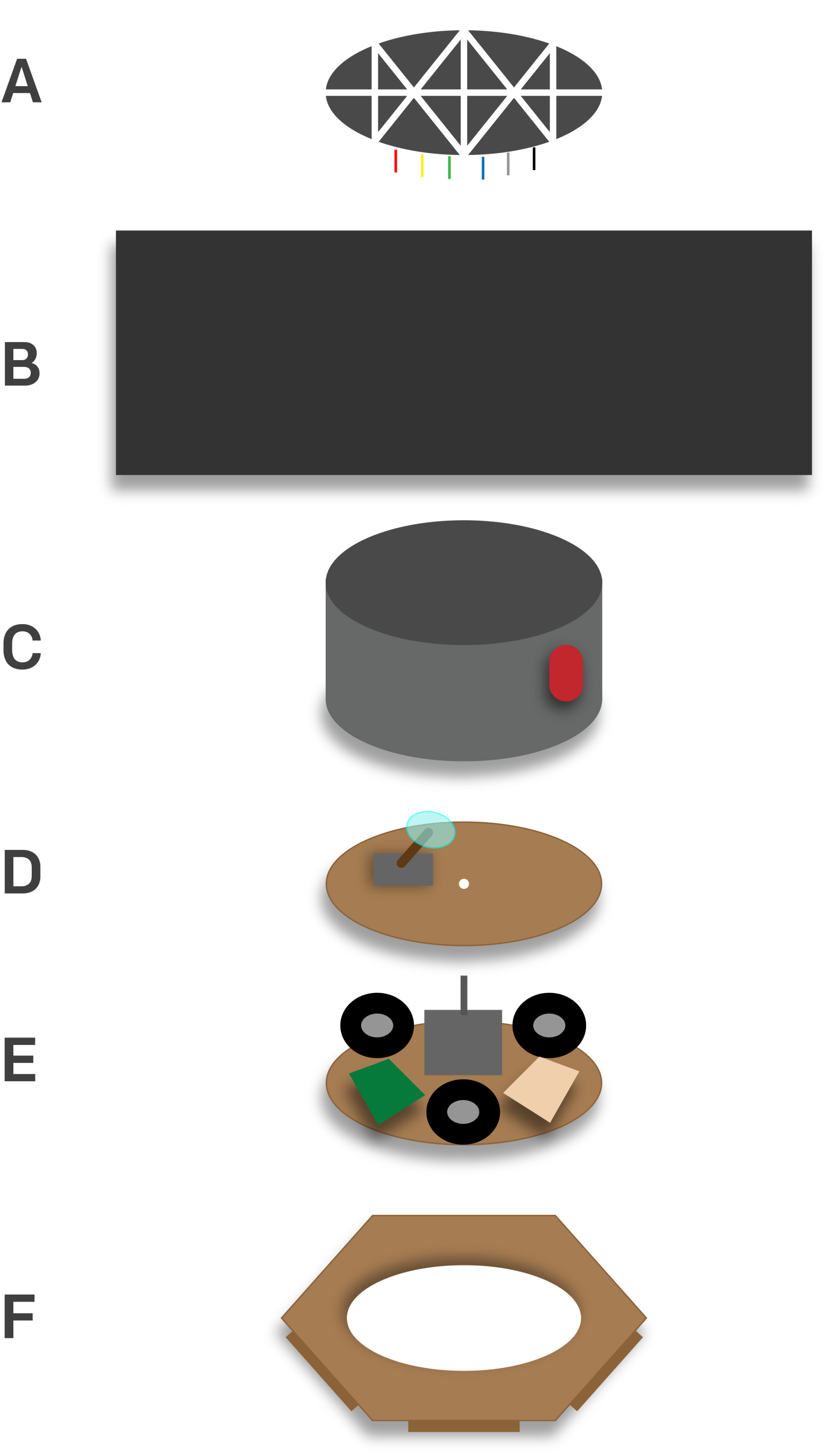
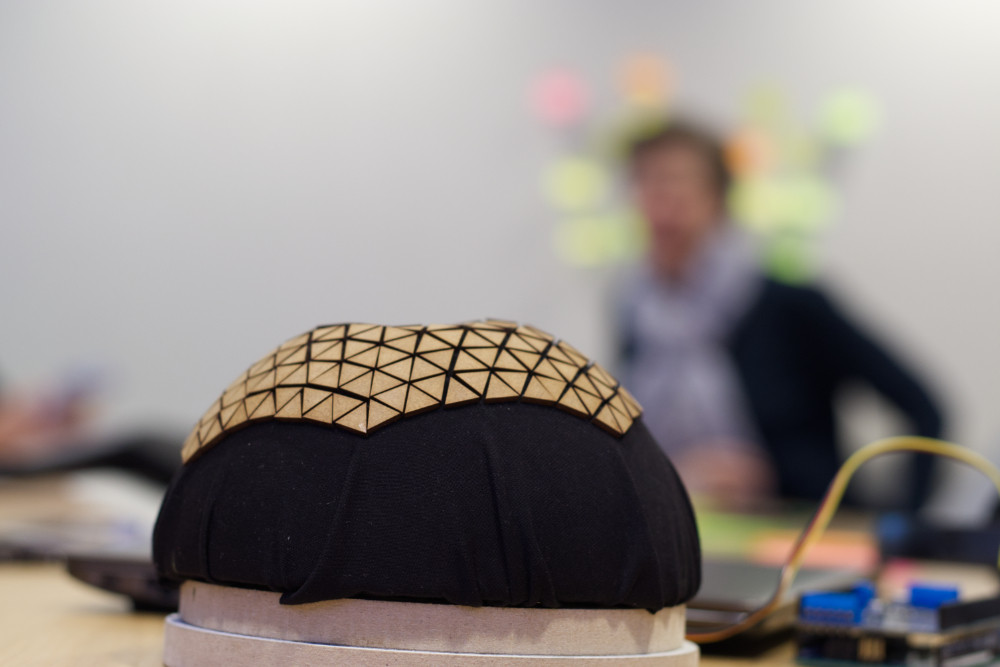
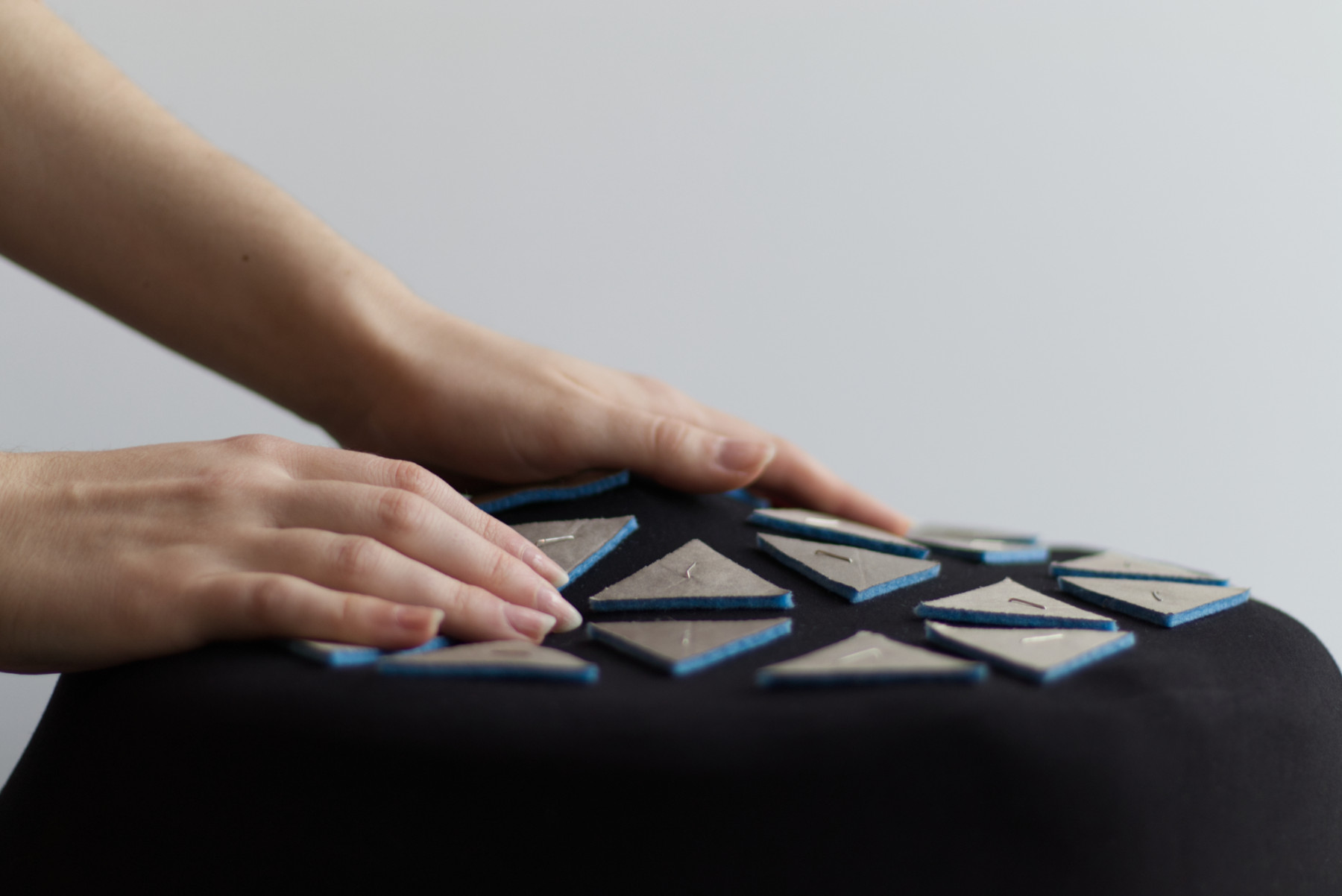
To create an even more intimate experience, we also wanted parents to feel as though they could touch and interact with their child inside the artificial womb. Since direct skin-to-skin contact would not be possible, we developed a haptic interface that communicates the baby's movements through touch.
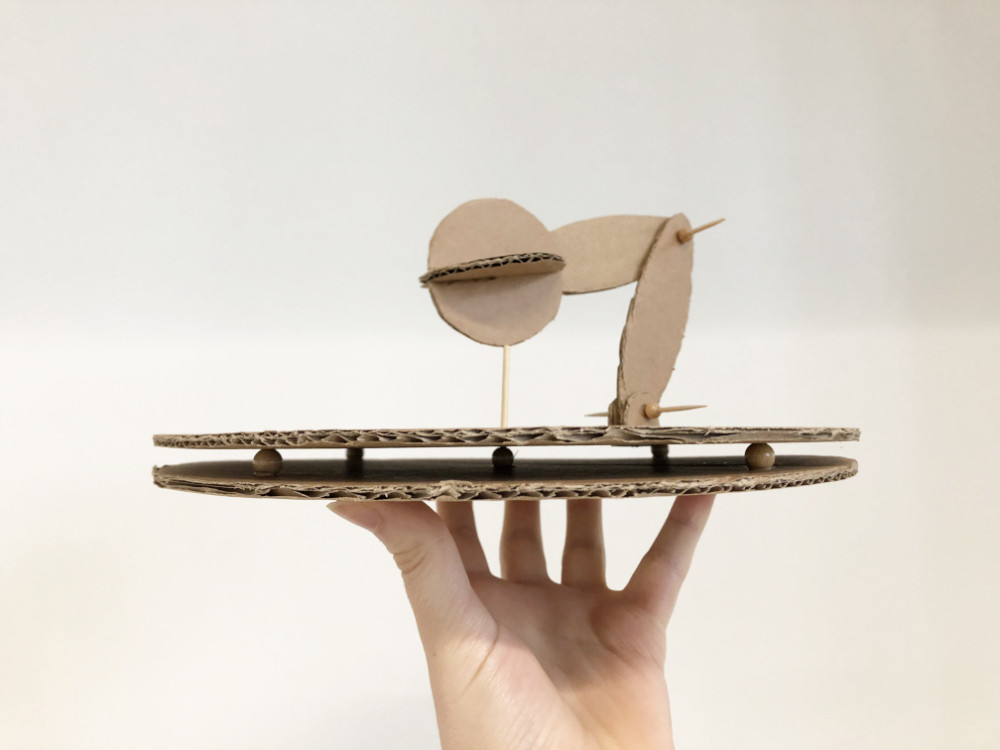
The artificial womb offers solutions to many of the problems and challenges faced by premature babies and their families as a result of early birth. However, as described in the problem statement, it also raises new questions. One of the most important is: What will be the role of parents when their child is growing inside an artificial womb?
This became the central goal of the project:
Design an artifact that enables conscious bonding between parents and a baby in an artificial womb by creating meaningful interactions that foster a shared experience.
The result was an immersive experience that provides parents with tactile, auditory, and visual feedback from their child in the artificial womb. Because these interactions support co-regulation, they are expected to unconsciously strengthen the parent–child bond.
In this envisioned future, new parents would receive a private room in the hospital where the artificial womb is located, similar to the current arrangement for babies in neonatal incubators. The key difference is that, while the baby remains inside the artificial womb, parents would be unable to touch, hear, or directly see their child for several weeks.
To bridge this gap, the installation would be placed next to the artificial womb, providing parents with real-time information from inside it, including the baby's heartbeat, movements, and an abstract visualization of its current position. This restores a sense of togetherness despite the physical separation.
The device could also be installed in the parents' home, allowing them to reconnect with their baby from a distance whenever they wish, creating meaningful moments of connection throughout the day.
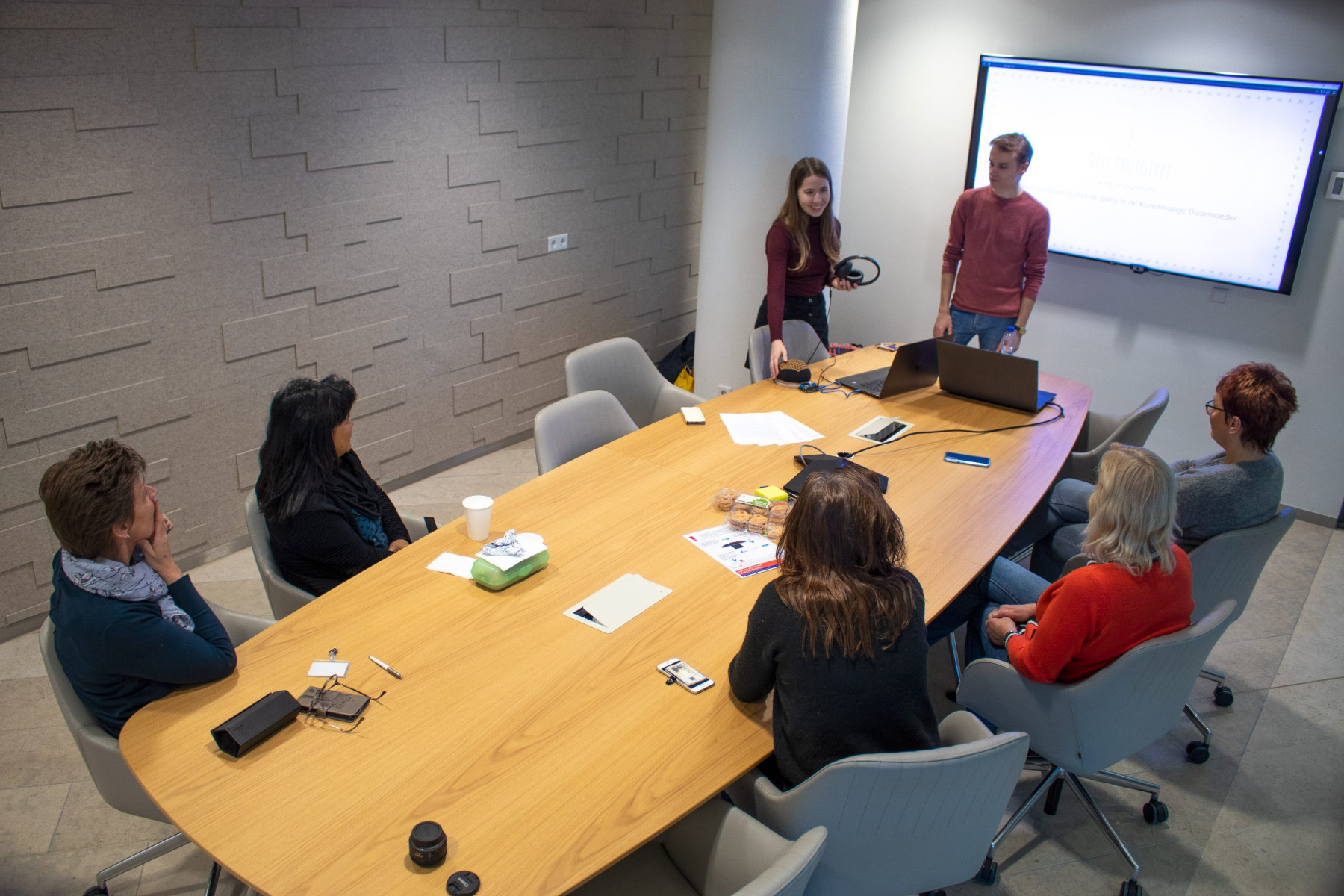
During the design process, we consulted a range of stakeholders and experts, including mothers, pregnancy coaches, and NICU specialists. Their feedback demonstrated the emotional impact of the immersive experience. Several mothers became emotional while using the installation. One mother remarked that hearing the heartbeat and feeling the baby's movements immediately transported her back to the meaningful prenatal ultrasound appointments, where she could hear and see her baby during pregnancy.